
The Product:
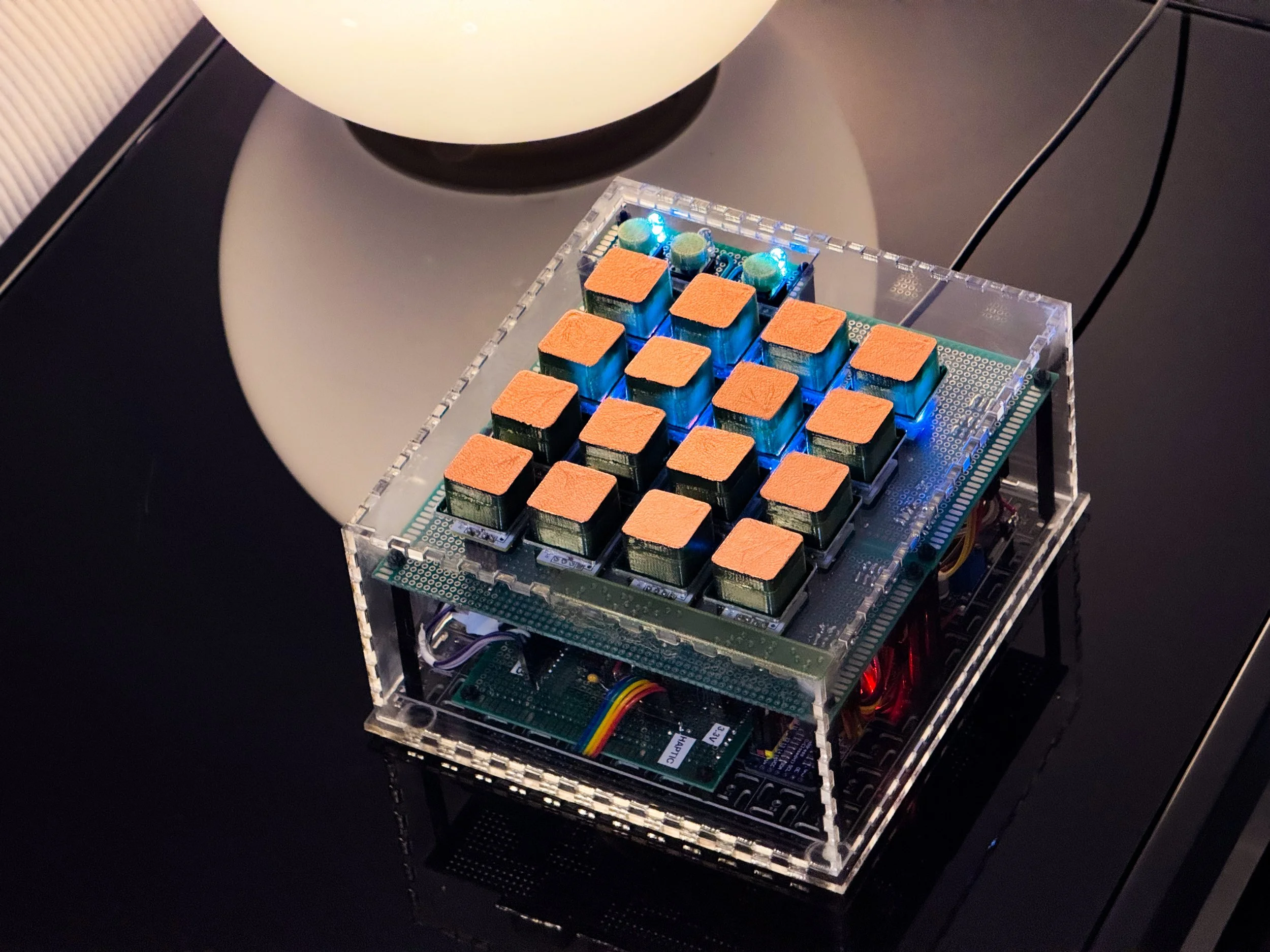
SENTIA TILES is a next-generation tactile musical controller designed for expressive, physical interaction with digital sound. Instead of relying on screens and visual menus, Tiles lets musicians control music through touch, pressure, and movement creating a direct, instrument-like relationship with digital systems.
Each key senses finger contact and pressure while delivering localized haptic feedback, allowing performers to feel the instrument respond in real time. This transforms digital control into a physical, responsive experience that supports nuanced expression and intuitive navigation.
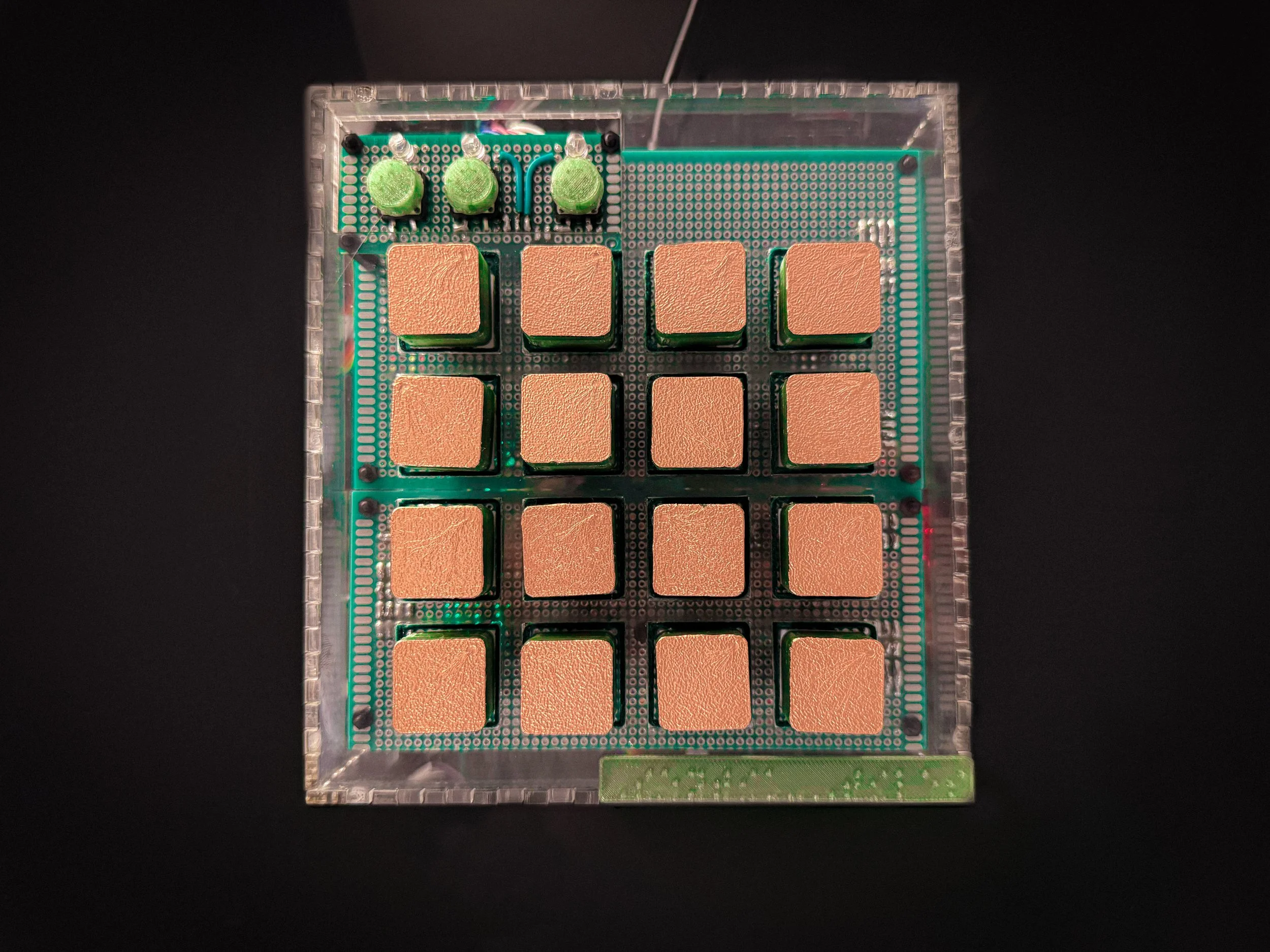
Tiles integrates seamlessly with modern music production and performance environments through MIDI and MPE, making it compatible with industry-standard software and synthesizers. The result is a powerful new interface that combines the flexibility of digital music with the immediacy and expressiveness of a physical instrument.
The Tech:
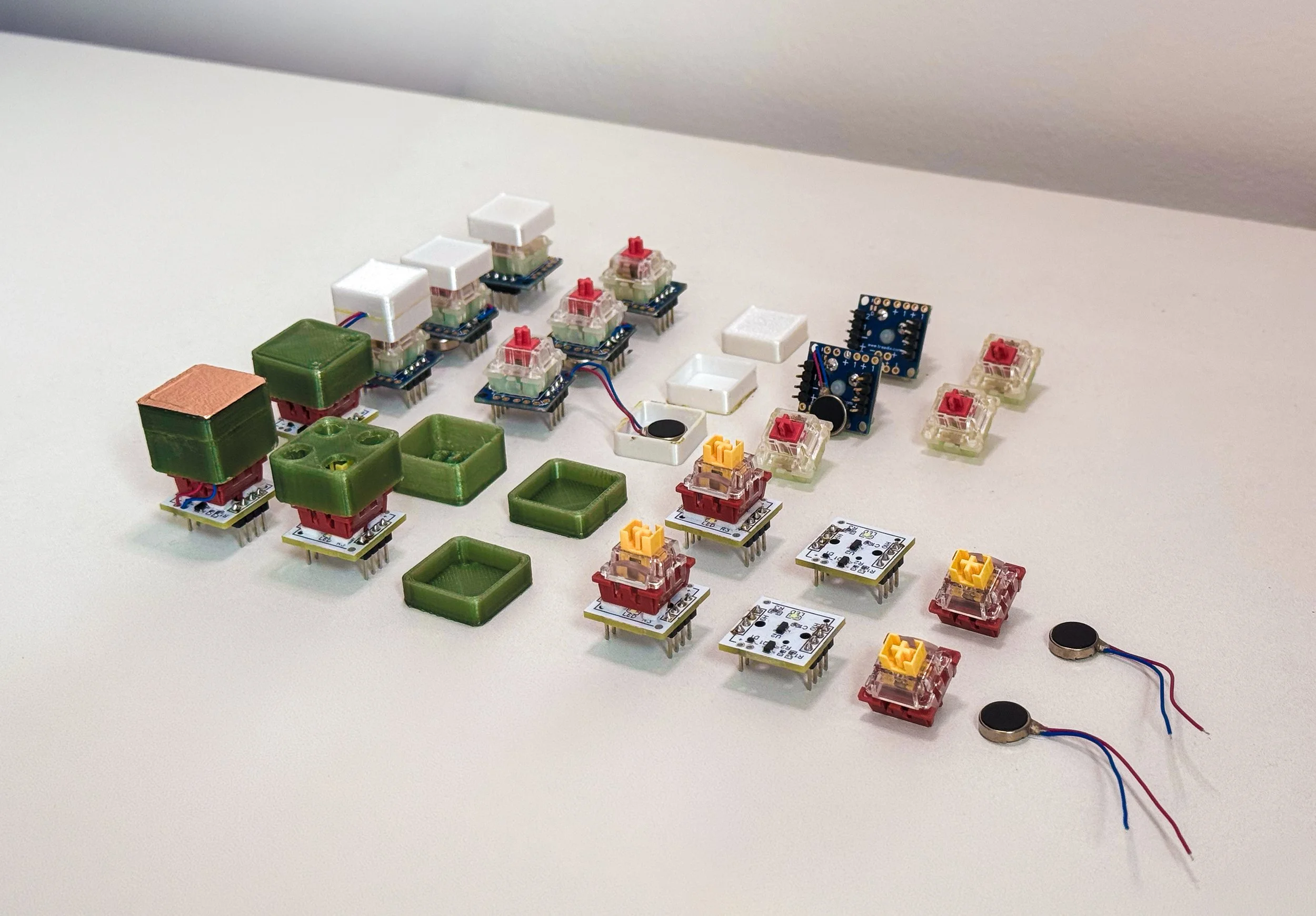
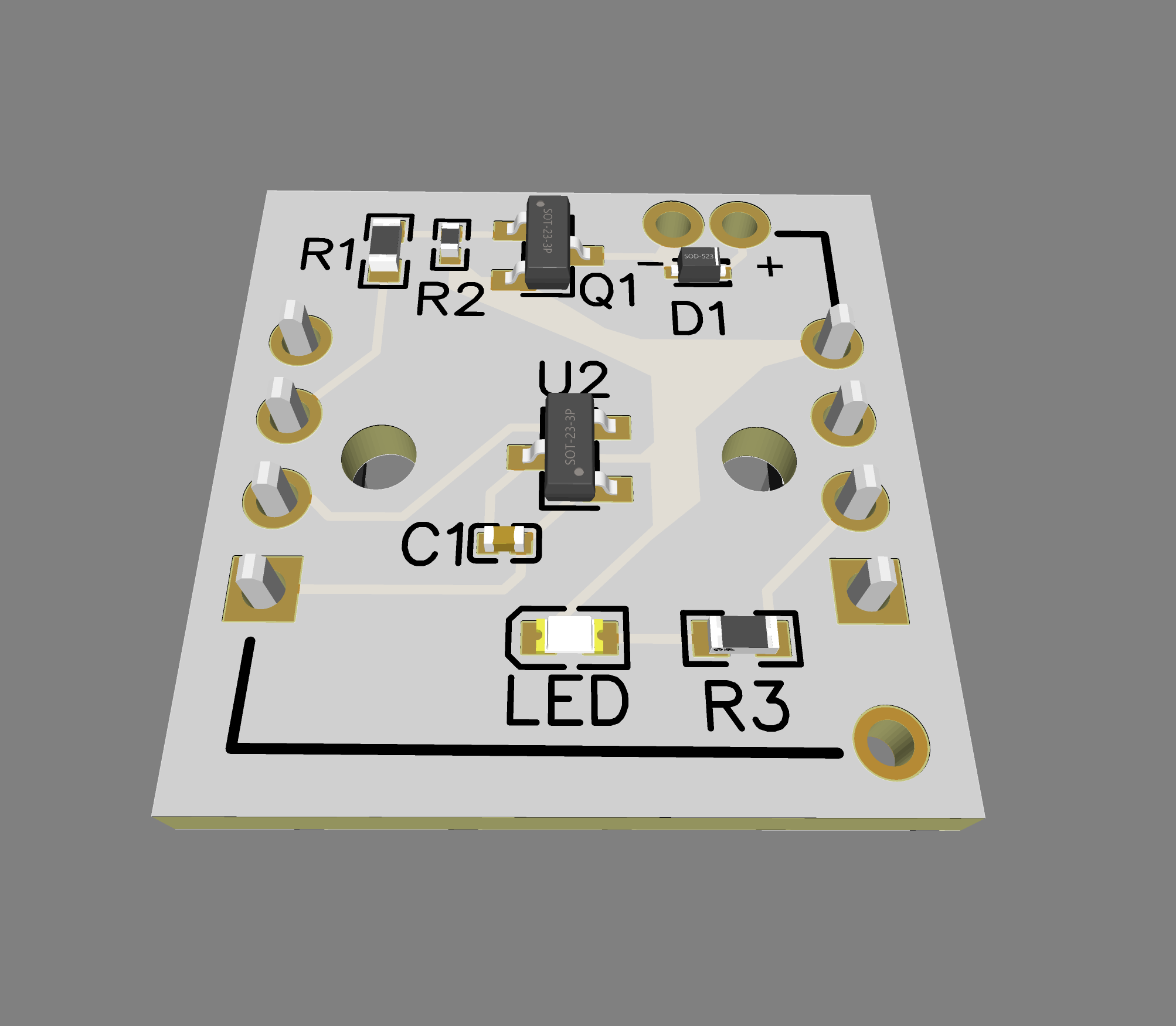
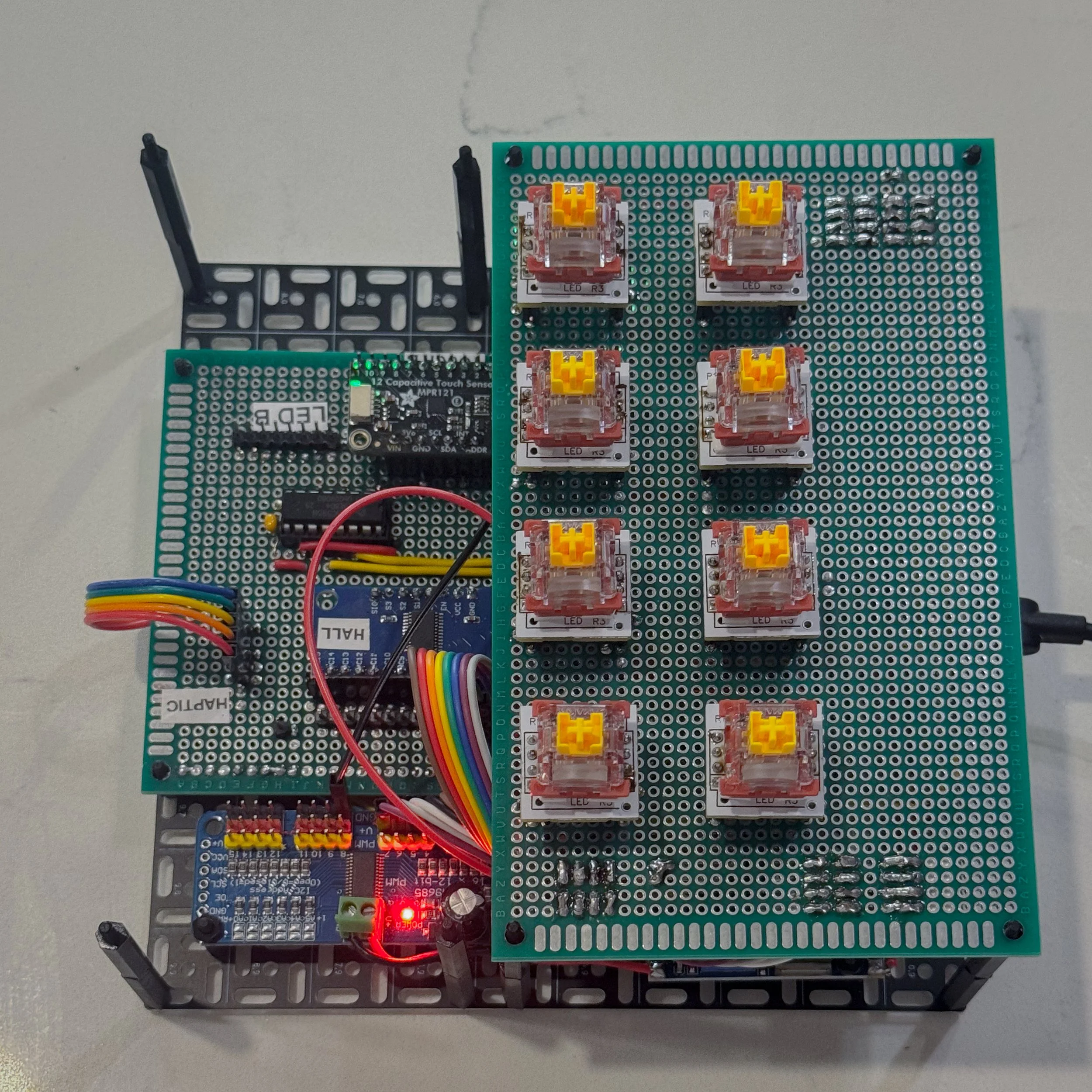
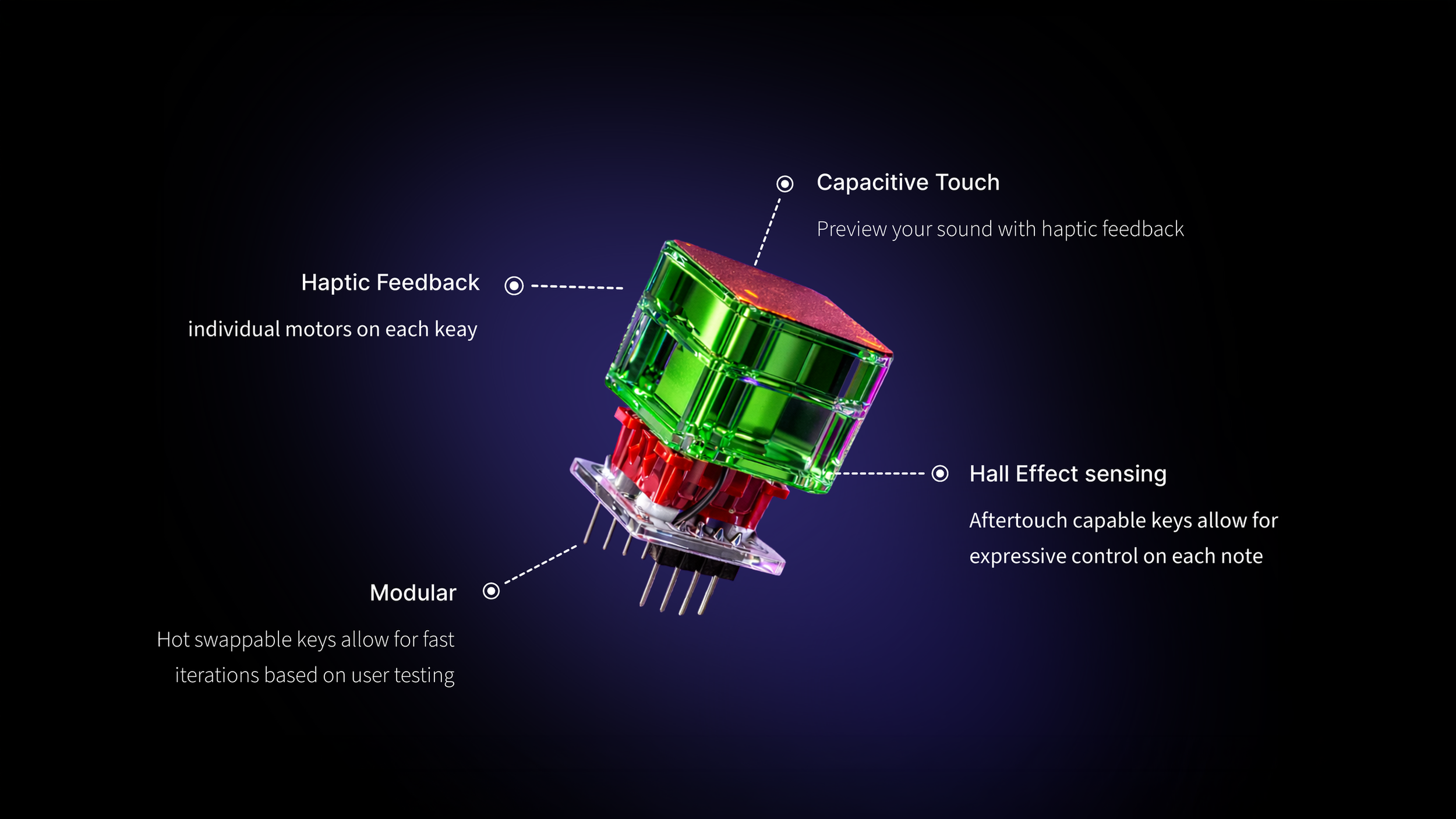
Tiles combines layered sensing and haptic feedback to create a tactile interface for digital music.
Each key detects touch and pressure, allowing performers to control sound through contact, force, and gesture. These signals are processed in real time and mapped to expressive musical parameters such as velocity and continuous control.
Localized haptic feedback allows the instrument to communicate back to the performer through vibration, creating a bidirectional interaction between player and system.
The result is a digital controller that feels responsive and physical while remaining fully compatible with modern music software.
The Research:
SENTIA Tiles is grounded in research on embodied musical interaction, musical haptics, and accessible interface design. Studies show that touch and vibration play a critical role in timing, control, and expressive performance, yet most digital controllers rely almost entirely on visual interfaces.
Tiles explores how tactile feedback, pressure sensing, and spatial layouts can support expressive control while enabling performers to navigate the instrument through touch. By combining layered sensing with haptic feedback, the system creates a physical dialogue between performer and instrument.
The instrument was developed through iterative prototyping and participatory design with musicians, including blind and low-vision performers. This process investigates how tactile interaction can support orientation, learning, and expressive performance in digital music systems.
Tiles contributes to ongoing research on accessible musical interfaces and embodied digital instruments, exploring how touch-centered design can expand who digital instruments are built for and how they are played.
GALLERY